Adding a Touch of Romance: The Ploikwan Handwritten Typeface
There is a specific kind of warmth that only a handwritten script can bring to a visual project. In a landscape often dominated by rigid sans-serifs and structured grids, a fluid, cursive font like Ploikwan offers a breath of fresh air. It is not merely a collection of letters; it is a tool for injecting personality, emotion, and a distinct human touch into your work. For designers, entrepreneurs, and creators who want to communicate a sense of gentleness and joy, understanding how to wield a premium font like this is essential for crafting memorable visual experiences.
Capturing a Gentle and Romantic Aesthetic
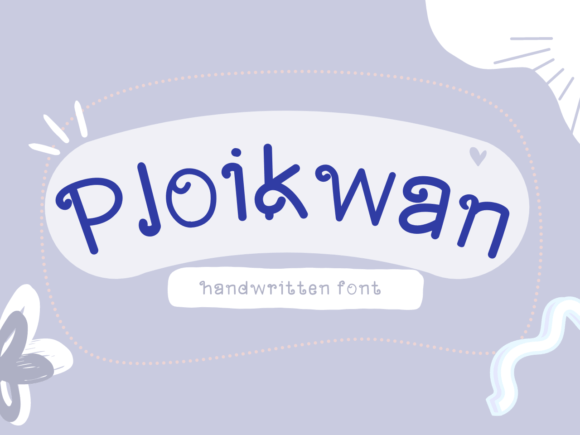
Visually, Ploikwan is defined by its sweet and cursive flow. The letterforms are designed to mimic the natural rhythm of a hand holding a brush or pen, resulting in a typeface that feels organic rather than manufactured. Unlike some script fonts that can feel overly rigid or aggressive, this font leans into a softer, more romantic aesthetic. The connections between letters are fluid, and the weight distribution creates a sense of lightness. This makes it a standout choice when you need a font that feels welcoming and intimate.
The appeal of a font like this lies in its ability to bridge the gap between digital precision and analog warmth. When you use Ploikwan, you are essentially putting a handwriting element into your design without sacrificing the scalability of vector typography. It avoids the "coldness" that sometimes plagues modern web design, offering instead a tactile quality that draws the viewer in. It is a typeface that doesn't just sit on the page; it dances across it, creating a rhythm that matches the joyful tone many projects require.
Practical Applications for Creative Professionals
The versatility of a script font often surprises those who view it as limited to wedding invitations. While Ploikwan certainly excels in stationery, its utility spans a massive range of commercial and creative applications. The key is to match the font's inherent personality—joyful, romantic, and gentle—with the specific goals of the project.
For small business owners and entrepreneurs, consider how this typeface functions within brand identity. If you are building a brand for a boutique clothing line, a florist, a specialty bakery, or a lifestyle blog, Ploikwan serves as an excellent display font. It instantly signals to your audience that your brand values craftsmanship and personal touch. It works beautifully for logos, provided the name isn't too long, and it shines in header graphics where you want to establish an emotional connection immediately.
In the realm of packaging design, this handwritten font can elevate a product from a commodity to a gift. Imagine a coffee bag, a jar of artisanal jam, or a skincare product featuring Ploikwan on the label. The cursive script suggests that the product inside was made with care. It adds a layer of perceived value and premium quality that rigid, standard fonts often fail to convey. This visual cue is crucial for marketing assets where shelf appeal translates directly to sales.
For digital marketing and social media, the font is a powerful asset for engagement. Social media graphics rely heavily on stopping the scroll. A bold, sans-serif quote is common, but a quote rendered in a sweet, handwritten font like Ploikwan feels more personal and relatable. It mimics the aesthetic of Instagram Stories or Pinterest pins where authenticity is currency. Use it for overlaying text on photos, creating call-to-action buttons that feel friendly rather than demanding, or designing digital products like e-books and worksheets.
Integrating Typography for Professional Presentation
While a creative font adds character, using it effectively requires a strategic approach to typography. One of the biggest challenges with script and handwritten fonts is readability. Because of its cursive nature, Ploikwan is best suited for short bursts of text—headlines, sub-headers, pull quotes, and logos. It is generally not recommended for long-form body copy, where the complexity of the letter connections could tire the reader's eye over time.
Achieving visual consistency involves pairing Ploikwan with the right secondary typeface. Because Ploikwan is expressive and decorative, it needs a grounding partner. A clean, geometric sans-serif or a classic serif font often works best. For example, using Ploikwan for the main headline and a simple sans-serif like Montserrat or Lato for the body text creates a balanced hierarchy. The handwritten font draws attention, while the secondary font ensures the information is digestible. This balance is a cornerstone of modern typography and ensures your project looks professional rather than chaotic.
When testing your font pairings, pay attention to scale and spacing. Handwritten fonts often require more generous line-height (leading) than standard typefaces to prevent the ascenders and descenders from colliding. If you are working on web design, ensure that the font renders well across different screen sizes. A delicate script can sometimes lose its definition on smaller mobile screens, so testing is non-negotiable. You may need to increase the font size slightly for mobile views to maintain that joyful aesthetic.
Ensuring Commercial Viability and Licensing
Before incorporating any new design asset into a client project or a commercial product, the technical and legal details matter. When you acquire Ploikwan, you are typically looking for a commercial font license that covers your specific usage needs. Whether you are creating merchandise like T-shirts and mugs, designing a logo for a client, or publishing a digital magazine, the license must match the application.
It is also worth reviewing the specific styles included with the font family. Many premium fonts come with alternates, ligatures, or swashes. These extra characters are invaluable for logo design and editorial layouts because they allow you to customize the text so it doesn't look generic. For instance, a custom swash on the tail of a "y" or "g" can make a logotype feel truly bespoke. Taking the time to explore the glyphs panel in your design software can unlock the full potential of the typeface, allowing you to create variations that are unique to your specific project.
Ultimately, the decision to use a font like Ploikwan comes down to the story you want to tell. If your goal is to communicate professionalism through strict authority, a heavy serif might be better. But if you want to communicate warmth, creativity, joy, and a romantic connection, this sweet, cursive handwritten font is an exceptional choice. It transforms standard text into a visual element that resonates on an emotional level, helping your brand or project stand out in a crowded visual space. By pairing it wisely and respecting its design strengths, you can add a layer of sophistication and delight to everything you create.