Blackletter Script: Street Grit Meets Medieval Tradition
There's a certain power in a typeface that can whisper stories of ancient scribes while shouting the raw energy of modern city streets. That's the unique space occupied by a well-designed Blackletter Script font. It doesn't just display text; it makes a statement. For designers and brand builders looking to inject a project with a potent mix of heritage and contemporary edge, this typeface family offers a compelling solution that feels both timeless and urgently current.
Understanding the Visual Language of Blackletter Script
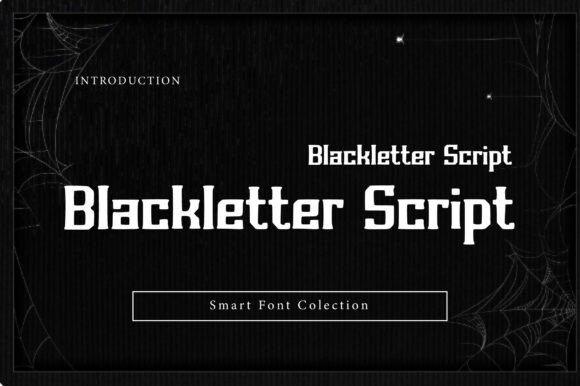
At its core, Blackletter Script is a direct descendant of the formal, calligraphic lettering used throughout medieval Europe for manuscripts and official documents. Think of the intricate, dense text in old legal documents or the first printed books by Gutenberg. That historical DNA is still there, lending an inherent sense of authority, craftsmanship, and tradition. However, the modern interpretation—often called a "chicanos-style" or street gothic—radically simplifies those old forms.
This contemporary take strips away the overly complex, sometimes illegible flourishes of pure Old English fonts. Instead, it replaces them with sharper angles, more consistent stroke widths, and cleaner, more geometric shapes. The result is a typeface that retains the bold, dramatic silhouette of its ancestors but is vastly more readable, especially in digital contexts and at smaller sizes. It's the difference between a meticulously illuminated manuscript and a bold, hand-painted mural on a brick wall. The latter carries the same weight of tradition but speaks a more direct, modern visual language.
The appeal lies in this duality. It carries the gravitas of history and the rebellious spirit of street culture simultaneously. When you choose this font, you're not just picking letters; you're selecting a visual shorthand for rebellion, heritage, and a certain "premium grit." It’s a typeface that feels at home on a limited-edition sneaker box, a craft brewery logo, or the cover of an underground hip-hop album.
Where This Typeface Truly Shines: Practical Applications
The true test of any creative asset is how it performs in the real world. Blackletter Script excels in projects where you need to make an immediate, memorable impact and convey a specific cultural or historical resonance. Its bold personality makes it a specialist tool rather than a workhorse for body text, but in the right context, it's unmatched.
For branding and logo design, it’s a powerhouse. A tattoo parlor, a barbershop, a streetwear label, or a craft distillery can build an entire visual identity around this font. It instantly communicates a no-nonsense, authentic vibe. Paired with a simple, clean sans-serif for supporting text, it creates a dynamic and professional hierarchy. In packaging design, it’s perfect for creating that coveted "limited edition" feel. Imagine it on a matte black bottle with metallic gold foil, or on a rugged cardboard box for artisanal goods. The contrast between the historic letterforms and modern materials creates instant shelf appeal.
Digital spaces are where its modernized angles prove their worth. For social media graphics, a Blackletter headline cuts through the noise of a crowded feed. It’s ideal for event announcements, album releases, or bold promotional statements. On websites and blogs, use it strategically for hero section headlines, page titles, or category headers to establish a strong visual tone from the first scroll. It should be used sparingly, though, as its density can become overwhelming in large blocks.
For print and merchandise, its applications are vast. Think concert posters, band merchandise, high-end editorial layouts for magazines, or even wedding invitations for a couple with a non-traditional, edgy aesthetic. It brings a level of intensity and intentionality to printed materials that more common fonts often lack.
Integrating Blackletter Script Into Your Design Workflow
Adopting a font with this much character requires a thoughtful approach. The goal is to harness its power without letting it overpower your entire design. First, consider font pairing. The rule of contrast is your best friend here. The intricate, angular nature of Blackletter Script looks fantastic when paired with a simple, geometric sans-serif font for body copy. This ensures readability and lets the headline font do the talking without creating visual chaos. Avoid pairing it with other ornate or script fonts, as they will compete for attention.
Readability is a key consideration. While modern versions are cleaner, they are still display fonts best suited for short, impactful text: headlines, logos, pull quotes, and titles. Never set a full paragraph of body copy in a Blackletter Script. Test your chosen font at the sizes and on the backgrounds you plan to use. A textured background, like cracked concrete or black denim, can complement its gritty aesthetic, but ensure there is enough contrast for the letterforms to remain legible.
Always review the full font package. A quality premium font will often include multiple styles—like regular, bold, italic, and sometimes stylistic alternates or swashes. These extras give you more flexibility to fine-tune the look for your specific project. Finally, and crucially for any commercial project, understand the licensing. Ensure the font license covers all your intended uses, whether it's for a client's logo, merchandise for sale, or digital products. Using a font correctly means respecting the designer's work and protecting your own project legally.
In the end, the Blackletter Script font is more than just a design asset; it's a bridge. It connects the meticulous art of the medieval scribe with the bold, unfiltered expression of the modern street. By understanding its personality and applying it with intention, you can create visual communications that don't just catch the eye, but tell a richer, more layered story about your brand or project. It’s a tool for those who want their designs to carry both weight and edge.