Cute Sketch: A Playful Typeface for Creative Branding
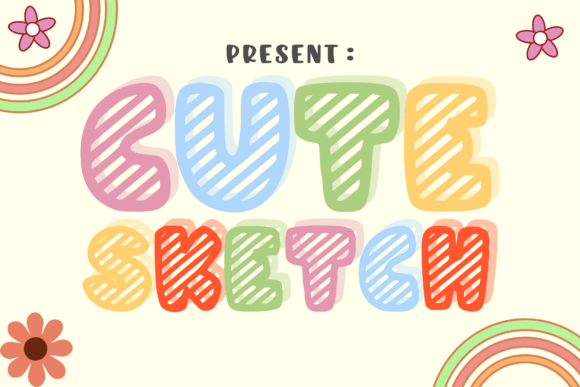
There's something undeniably joyful about a design that doesn't take itself too seriously. Whether you're crafting a children's book cover, designing packaging for a fun new snack brand, or putting together social media graphics that actually stop the scroll, the typography you choose sets the entire mood. Cute Sketch is a children's font that brings fun and imagination to your projects. With its striped style and appearance and variety of colors, this font offers hope for a variety of creative endeavors. Let this font add a pop of color and aesthetic elements to your designs, suitable for everything from posters, stickers, t-shirts, comics, books, movies, product labels, children's designs, and more.
What Makes This Typeface Feel So Lively
At first glance, Cute Sketch looks like it was drawn by hand with a marker — but with a deliberate, polished twist. The striped texture running through each letterform gives it a distinctive visual rhythm that sets it apart from typical handwritten fonts. It's not trying to mimic a child's handwriting; instead, it captures that same energy and spontaneity while remaining clean enough for professional use. The color options built into the font family let you experiment with different moods without switching typefaces entirely, which is a genuine time-saver when you're iterating on concepts.
What really stands out is how the font manages to feel both playful and intentional. A lot of display fonts lean too far into whimsy and end up looking amateurish. Cute Sketch avoids that trap. The letter spacing, the weight consistency, and the overall proportions suggest that someone actually thought about how this typeface would perform in real design contexts — not just on a specimen sheet.
Where This Font Actually Works in Practice
Let's talk about real applications, because a font is only as good as the problems it solves for you. If you run a small business aimed at families, kids, or anyone who appreciates a lighthearted aesthetic, this typeface can become a core part of your brand identity. Think about a bakery that specializes in birthday cakes — the logo, the box design, the Instagram posts, the menu board. Cute Sketch ties all of those touchpoints together with a consistent visual voice that feels approachable and fun without being childish or unprofessional.
For content creators and bloggers, this font works beautifully for:
- Blog post headers and section dividers that add personality
- Pinterest graphics where you need text that reads well at thumbnail size
- YouTube thumbnails that stand out in a crowded feed
- Printable downloads like planners, checklists, or wall art for Etsy shops
- Email newsletter headers that feel warm and inviting
Packaging design is another area where this typeface shines. If you're launching a product line for kids — think crayons, craft kits, snack pouches, or bath products — the striped aesthetic of Cute Sketch signals creativity and playfulness immediately. It tells the parent browsing the shelf that this product is designed with imagination in mind. That kind of instant visual communication is exactly what good typography does.
Pairing It With Other Fonts Without Losing the Magic
One common mistake with playful display fonts is using them for everything. Cute Sketch is a headline font. It's built for impact, not for paragraphs of body copy. The real skill lies in choosing a complementary font for supporting text that doesn't compete with it but still feels cohesive.
A clean sans serif font works well here. Something like a simple geometric sans serif for product descriptions, pricing, or fine print keeps the layout grounded while letting the display type do its job. If you're working on editorial design — say, a children's magazine or a recipe book for families — pairing Cute Sketch with a readable serif font for body text can create a nice contrast between the playful headers and the structured content below.
Here's a practical approach: set your headline in Cute Sketch, then try three or four different body fonts alongside it. Print them out or view them at actual size on screen. Which combination feels balanced? Which one is easiest to read? Trust your eye, but also ask someone else to look at it fresh. Typography pairing is partly intuition and partly testing.
Readability Isn't Optional — Even With a Fun Font
This is worth emphasizing because it's easy to get caught up in how a font looks and forget about how it functions. Cute Sketch is highly legible at medium to large sizes, which is exactly where a display font should perform best. But there are limits. If you're using it for a t-shirt design, make sure the text is large enough that the striped details read clearly from a normal viewing distance. On product labels, test it at the actual print size before committing to a full production run.
Color contrast matters too. The font's built-in color options are a fantastic feature, but you still need to think about the background. A pastel version of Cute Sketch on a white background might look charming on screen but disappear in print. Always do a contrast check, especially if accessibility is a priority for your brand — and it should be.
Licensing and the Business Side of Font Choices
If you're using Cute Sketch for personal projects — a birthday invitation, a classroom poster, a scrapbook page — licensing is usually straightforward. But the moment money changes hands, you need to pay attention. Commercial licensing covers you when you're selling products that feature the font, using it in client work, or incorporating it into merchandise. Most premium font licenses are a one-time purchase, which makes them a smart investment compared to subscription-based design tools.
Before you buy, check what's included. Does the license cover print and digital? Can you use it on products sold through platforms like Etsy, Amazon, or Shopify? Is web font licensing included or separate? These details matter, and getting them right upfront saves you headaches later. Think of font licensing the same way you'd think about stock photography — the rules exist to protect creators, and following them is part of running a professional operation.
Making It Part of Your Broader Design System
The most effective use of any typeface happens when it's part of a larger system. If you're building a brand, document how Cute Sketch should be used across different contexts. Specify which colors from the font family work best for your brand palette. Define where it appears — headers only? Logo? Social media? — and where it doesn't. Create a simple style guide, even if it's just a single page, so that anyone working on your brand materials maintains consistency.
This kind of discipline turns a fun font into a strategic asset. It's the difference between a design that looks cute and a brand that people recognize instantly. Whether you're a solo entrepreneur wearing every hat or a designer building a visual identity for a client, that consistency is what separates amateur projects from professional ones. Cute Sketch gives you a strong starting point — the rest is about how thoughtfully you apply it.