Lovely Day: A Canvas-Style Font for Crafty and Creative Projects
There’s something special about a font that feels handmade yet polished. It doesn’t just sit on the page—it tells a story, adds texture, and brings a sense of warmth to any design. If you’ve been searching for a typeface that blends artistic charm with practical versatility, you might have just found your new favorite. This unique display font, with its canvas-like texture and distinctive character, offers a fresh alternative to the clean, sterile fonts that dominate so much of modern design.
What Makes This Font Stand Out?
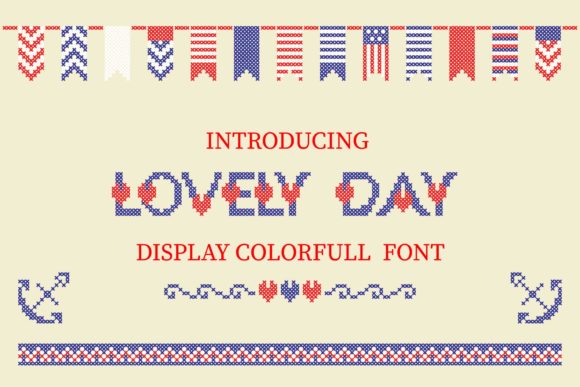
At first glance, you’ll notice the texture. It’s not a flat, digital rendering—it has the appearance of being painted or printed on a natural surface. This gives each letter a subtle, organic quality that feels authentic and handcrafted. The style is bold enough to command attention in headlines and logos, yet it maintains a friendly, approachable vibe. It’s the kind of typeface that makes you think of artisanal products, boutique brands, and creative projects where personality matters more than corporate uniformity.
What’s particularly useful is how it bridges different design needs. It works beautifully for both digital and print applications, though there’s an important technical note: to use the full-color version of the font, you’ll need a vector editing program like Adobe Illustrator CC 2018, InDesign CC 2018, or Photoshop CC 2017. This ensures the colors and textures render perfectly, maintaining that authentic canvas appearance without pixelation or loss of detail.
Bringing Character to Branding and Logo Design
For small business owners and entrepreneurs, choosing the right font for your logo is one of the most impactful decisions you’ll make. A font like this one instantly communicates creativity, warmth, and a hands-on approach. Imagine a bakery, a handmade jewelry line, or a local coffee shop using this typeface in their logo—it immediately sets a tone of authenticity and care.
Beyond logos, think about your overall brand identity. Using a consistent, distinctive font across your packaging, business cards, and website helps build recognition. When customers see that textured, artistic lettering, they’ll start to associate it with your brand’s unique personality. It’s a subtle but powerful way to stand out in a crowded market, especially if your competitors are using generic sans-serif fonts.
From Social Media to Stationery: Practical Applications
Social media graphics are where many brands struggle to stand out. A scroll-stopping post often relies on strong visuals, and typography plays a huge role. This font’s textured style adds depth and interest to Instagram stories, Facebook posts, and Pinterest graphics. It’s particularly effective for quotes, announcements, or promotional graphics where you want the text itself to be a visual element.
For those who create physical products or print materials, the applications are just as exciting. Think about wedding invitations, greeting cards, or event posters. The canvas-like texture gives printed pieces a tactile quality, almost as if you can feel the letterpress effect. For bloggers and content creators, using this font for section headers or featured titles can add a layer of visual interest that keeps readers engaged.
Pairing and Readability: Getting the Balance Right
While this font is a showstopper, it’s important to use it thoughtfully. Display fonts like this one are designed for impact, not for long paragraphs of body text. The textured details that make it so appealing at larger sizes can become cluttered and difficult to read when reduced for smaller text.
A smart approach is to pair it with a clean, simple sans-serif or serif font for body copy. For example, you might use this font for your main headline, then switch to a classic like Helvetica, Garamond, or Open Sans for the supporting text. This creates a visual hierarchy that guides the reader’s eye and ensures your message is both beautiful and readable. Always test your pairings at different sizes to see how they work together—what looks great on your computer screen might need adjustment for mobile devices or printed materials.
Exploring Creative and Commercial Projects
The versatility of a well-designed creative font extends far beyond basic branding. Consider how it could elevate your digital products, like printable planners, worksheets, or social media templates. If you sell design assets on platforms like Etsy or Creative Market, incorporating a distinctive font can make your offerings more appealing and professional.
For marketing professionals, think about how this typeface could be used in email headers, webinar graphics, or presentation slides. It adds a human touch to digital communications, which can be especially valuable in B2B contexts where you want to appear approachable without sacrificing professionalism. Publishers and editorial designers might use it for chapter titles, pull quotes, or cover designs to create a memorable reading experience.
Choosing Fonts That Work for You
Selecting a font isn’t just about what looks trendy—it’s about finding a tool that serves your specific goals. Ask yourself: What emotion do I want to evoke? Who is my audience? Where will this font be used most often? A font with this kind of artistic texture might be perfect for a creative studio’s website but less suitable for a law firm’s official documents.
Always consider the technical requirements of your projects. If you primarily work in web design, check how the font renders across different browsers and devices. If you’re focused on print, ensure it reproduces clearly at various sizes. And don’t forget licensing—make sure any font you use commercially comes with the appropriate license for your intended use, whether it’s for client work, merchandise, or digital products.
Ultimately, the best fonts feel like natural extensions of your creative vision. They don’t just display words—they enhance meaning, evoke feeling, and help tell your story. When you find a font that resonates with your style and meets your practical needs, it becomes more than just a design asset; it becomes part of your creative toolkit, ready to bring your next project to life with character and charm.