Manuel: The Bold Handwritten Font for Modern Brands
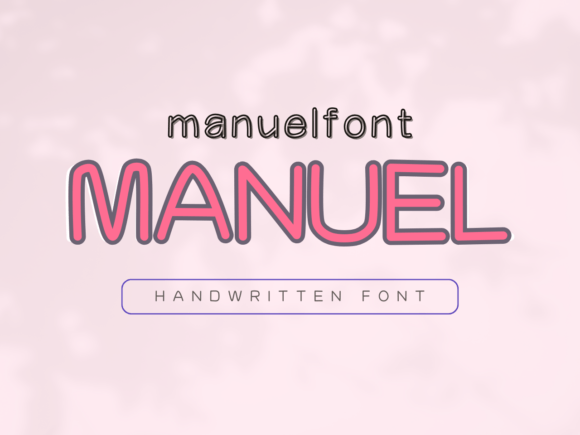
There’s a certain magic that happens when a design feels both personal and powerful. You see it in a logo that feels like it was signed by the founder, or on a product label that whispers a story. This is the space where Manuel lives. It’s a gorgeous, bold handwritten font crafted to give your headlines and logotype projects a stylish touch. More than just letterforms, Manuel reads as strong, confident, and dynamic, capable of adding tons of nostalgic character to your designs. It’s the kind of typeface that doesn’t just display words—it communicates attitude.
More Than a Font: Capturing a Confident Vibe
Let's be honest, not all handwritten fonts are created equal. Some are too casual, others too delicate for serious work. Manuel strikes a compelling balance. Its strokes have a deliberate weight, a sense of purpose that prevents it from looking whimsical or flimsy. The letters connect with a natural flow, but each one maintains a clear, readable form. This isn’t a font that tries to mimic messy scrawl; it embodies the confident energy of someone who knows exactly what they want to say. Think of the bold signature on a piece of art, or the confident lettering on a vintage shop sign—that’s the nostalgic, authentic vibe Manuel brings to the table.
This personality makes it an incredibly versatile tool. For a small business owner or a creative entrepreneur, your brand’s voice is everything. Manuel can help you articulate that voice visually. It says, "We’re approachable, but we mean business." It feels human and crafted, which can be a powerful antidote to the sterile, digital perfection that dominates so much of the online landscape. Whether you’re a designer looking for a standout display font or a blogger wanting to inject more personality into your headers, understanding this font’s character is the first step to using it effectively.
Practical Applications: Where Manuel Truly Shines
Theory is nice, but let's talk real-world projects. Where does a font like Manuel fit into your workflow? Its bold, expressive nature makes it a specialist for high-impact, short-form text. It’s not your body copy font; it’s your attention-grabber.
Brand Identity & Logo Design: This is Manuel’s sweet spot. A logo set in Manuel feels instantly personal and memorable. It works beautifully for brands in the artisanal food space, boutique studios, lifestyle blogs, coffee shops, or any business that wants to project a hands-on, authentic image. Pair it with a clean sans-serif for a balanced, professional system.
Packaging & Labels: On a product label, Manuel can make your brand name the hero. It adds a tactile, crafted quality that suggests care and quality. Imagine it on a jam jar, a candle box, or a cosmetics label—it immediately sets a tone of thoughtful creation.
Digital Presence: For social media graphics, this font is a powerhouse. Use it for Instagram post headers, quote graphics, or story text to stop the scroll. On a website, it’s perfect for hero section headings or call-to-action buttons where you need to inject immediate personality. Similarly, in blog post titles, it can increase engagement by making the content feel more dynamic and less generic.
Print & Editorial: Think beyond the screen. Manuel would look stunning on event posters, wedding invitations, or editorial layout features. It brings a human touch to magazine spreads and book covers, especially for genres like memoir, lifestyle, or fiction where a personal narrative is key. It’s also a fantastic choice for merchandise like t-shirt designs or tote bags, where the message needs to be bold and personal.
Pairing and Practicality: Making Manuel Work for You
Using a strong display font like Manuel effectively is all about context and contrast. You wouldn’t use a hammer to turn a screw. Here’s how to integrate it into your projects with finesse.
The Art of the Pair: The golden rule for a bold handwritten font is to pair it with something simple and understated. A classic serif like Playfair Display or a geometric sans-serif like Montserrat or Lato can provide a beautiful, stable foundation. Use Manuel for the headline or key brand name, and let its partner handle the supporting text. This creates visual hierarchy and ensures your design remains professional and readable.
Readability First: While Manuel is designed for clarity, its expressive nature means you should be mindful of size and spacing. It performs best at larger sizes—think headlines, subheadings, and logos. Avoid using it for long paragraphs or small legal text. Always test your designs at the intended viewing size, whether on a mobile screen or a printed flyer.
Explore the Family: A premium font often comes with more than one style. Check if Manuel includes alternates, ligatures, or stylistic sets. These extras are gold for customization. They allow you to vary the look of specific letters, preventing repetition and adding an extra layer of authenticity to your typography. This is particularly useful in logo design, where you might want a unique flourish on a capital letter.
Licensing for Your Goals: Finally, a practical note on commercial font licensing. Before you use Manuel in a client project, on merchandise for sale, or in a widely distributed digital product, ensure you have the correct license. Most reputable foundries offer clear licensing tiers—personal, commercial, webfont, etc. Investing in the proper license is a professional necessity that protects you and supports the designers who create these valuable assets.
Ultimately, choosing a typeface is a strategic decision. It’s a foundational piece of your visual communication. Manuel isn’t just a set of glyphs; it’s a tool for adding a specific, powerful emotion to your work. It helps bridge the gap between a brand and its audience by feeling less like a corporate font and more like a human signature. When you need your designs to speak with confidence, character, and a touch of timeless style, it’s a compelling choice that can elevate a project from good to genuinely memorable.