Sportsball: The Slab Serif With a Playful, Customizable Twist
There's something deeply satisfying about a typeface that doesn't take itself too seriously—yet still delivers on craft and versatility. Sportsball is exactly that kind of font. It's a semi-athletic slab serif built from scratch with intentional simplicity, designed to cut cleanly for crafters while offering enough personality for professional branding and editorial work. If you appreciate typefaces that let you experiment, mix styles, and inject character into your designs, this one deserves a closer look.
What Makes Sportsball Visually Distinctive
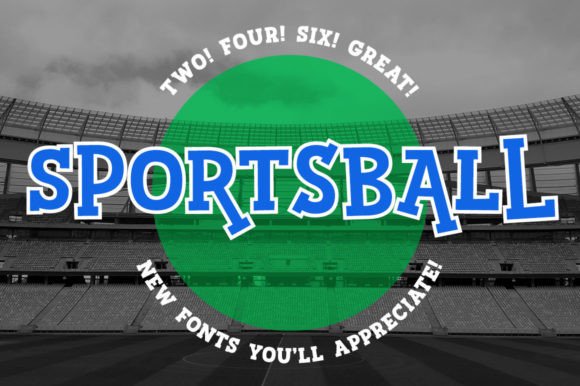
At its core, Sportsball is a display font with a confident, slightly retro energy. The uppercase letters are clean and approachable—solid slab serifs that feel grounded without being stiff. They work beautifully for headlines, logos, and any situation where you need immediate visual impact. But the real fun begins with the lowercase set. Each letter has its own personality: some are taller, some wider, some have elongated legs that create a sense of movement. When you mix the lowercase characters into uppercase settings, you get designs that feel handcrafted and dynamic rather than rigid.
The font family goes further than that. There's a spurred variant that adds Western-style flair to each letterform, giving designs a vintage, adventurous vibe. And for projects that need something cleaner, the sans-serif version strips away the serifs entirely while keeping that same playful geometry. Then there are the hollow styles—outlined versions of all three that can be layered over their solid counterparts for two-color designs. It's a thoughtful system that gives you real creative flexibility without requiring you to buy multiple unrelated fonts.
Practical Applications for Real Projects
Fonts like Sportsball earn their value in the details of everyday use. Here's where it shines:
- Branding and logo design – The slab serif style carries enough weight for logos that need to feel bold and memorable, while the lowercase alternates let you fine-tune personality. A fitness brand, a sports podcast, a retro-themed restaurant—any of these could anchor their visual identity in this typeface.
- Packaging design – The clean geometry and optional hollow styles make it easy to create shelf presence. Think craft beer labels, snack packaging, or boutique product boxes where the typography needs to communicate energy and authenticity.
- Social media graphics – The uppercase set is instantly readable at thumbnail sizes, and the playful lowercase characters add visual interest to Instagram posts, YouTube thumbnails, and Pinterest pins.
- Merchandise and apparel – Because the font was designed with minimal nodes for clean cutting, it's particularly well-suited for vinyl decals, screen-printed t-shirts, and other physical products where sharp edges matter.
- Editorial layouts and blogs – Use the solid slab serif for article headlines and the sans-serif for pull quotes or subheadings. The built-in style variety makes it easy to create visual hierarchy without introducing a second typeface.
- Invitations and event materials – The Western-spurred variant adds a distinctive touch to party invitations, event posters, or promotional flyers, especially for sports-themed or vintage-inspired occasions.
- Web design and digital products – The sans-serif version pairs well with body text fonts like a clean sans serif or even a subtle script font for contrast, making it a versatile choice for landing pages, course graphics, and lead magnets.
Building a Cohesive Visual Identity With One Font Family
One of the most underrated advantages of working with a well-structured font family is consistency. When your headline font, your subheading font, and your accent typography all come from the same design DNA, your brand looks intentional. Sportsball makes this easy. You can set your logo in the spurred slab, your website headers in the standard slab, your call-to-action buttons in the sans-serif, and your decorative accents in the hollow version—all without the design feeling disjointed.
This kind of internal cohesion is especially valuable for small businesses and solo creators who don't have the budget for a full custom typography system. A single premium font family that offers multiple styles can do the work of three or four separate typefaces, saving both money and decision fatigue. It also reduces the risk of visual clutter that comes from pairing too many unrelated fonts together.
For content creators working across platforms, consistency matters even more. Your Instagram aesthetic, your blog design, your email headers, and your printable products should all feel like they belong to the same brand. When you build that system around one versatile typeface, you create recognition. Your audience starts to associate that visual style with your work—and that's the foundation of brand identity.
Tips for Getting the Most Out of Sportsball
Like any display font, Sportsball rewards intentional use. Here are a few practical suggestions for working with it effectively:
- Start with the standard slab serif. Get comfortable with how the uppercase and lowercase characters interact before exploring the spurred or hollow variants. Understanding the baseline design helps you make smarter stylistic choices later.
- Test your pairings. Sportsball works well alongside simple body text fonts—a clean sans serif like a geometric or humanist typeface provides a calm counterbalance to the display font's energy. Avoid pairing it with another strong slab serif or an overly ornate script font, which can create visual competition.
- Consider readability in context. The lowercase alternates are charming, but they're best suited for headlines and display sizes. For body text or small print, stick with the standard uppercase or the sans-serif version to ensure clarity.
- Layer the hollow styles thoughtfully. Two-color outlined designs look striking on posters and merchandise, but make sure your color choices provide enough contrast. A dark solid layer beneath a lighter outline tends to work best.
- Review the full character set before starting. Knowing which alternates and special characters are available upfront saves time and helps you plan your layouts more effectively.
Licensing and Commercial Use
If you're planning to use Sportsball for client work, merchandise, or products you intend to sell, take a moment to review the licensing terms. Most premium fonts come with specific guidelines about how many devices or users are covered, whether embedding in digital products is permitted, and what counts as a commercial use. Understanding these details upfront prevents headaches later—especially if your project scales or involves collaboration with other designers or print vendors.
Fonts are design assets, and like any creative tool, they deserve to be used within the boundaries their creators have set. When you respect those terms, you're also supporting the independent type designers who put real craft into building families like this one.
Sportsball is more than a slab serif with a playful name. It's a thoughtfully built system that gives designers, crafters, and creative entrepreneurs the flexibility to produce bold, personality-rich work across a wide range of applications. Whether you're building a brand from scratch, refreshing your visual identity, or just looking for a typeface that makes your next project feel a little more alive, it's worth exploring what this font family can do.