Sunrise Orange: A Font That Cuts Through the Noise
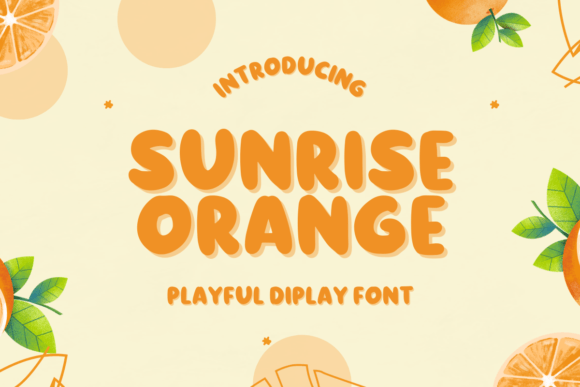
There’s a moment in every design project where you need a typeface that doesn’t just whisper—it declares. You’re crafting a headline for a new product launch, designing a logo for a bold startup, or creating a poster that needs to stop someone mid-scroll. This is where Sunrise Orange enters the conversation. It’s not merely a font; it’s a visual tool engineered for impact, blending assertive geometry with a surprising fluidity that makes it feel both contemporary and timeless.
The Anatomy of a Statement Typeface
At its core, Sunrise Orange is a display typeface, meaning it’s built for visibility at larger scales. Think of it as the typographic equivalent of a spotlight. Its construction features sharp, decisive terminals and angles that convey confidence and modernity, paired with curves that soften its presence just enough to avoid feeling harsh. This duality is its secret weapon. It can feel technical and professional in one context—like on a tech startup’s landing page—and approachable and creative in another, such as on artisan product packaging.
What truly sets it apart is its versatility within that “bold” category. It’s not a one-trick pony. The family often includes variations in weight and style, from a clean, solid regular to a textured or shadowed version. This allows for creative hierarchy without sacrificing the core personality. You could use the heaviest weight for a monumental headline and a slightly lighter version for a powerful subheading, maintaining a cohesive yet dynamic visual story.
Practical Applications: Where Bold Typography Shines
The real test of any creative font is how it performs in the wild. Sunrise Orange isn’t meant for body text in a novel; it’s your go-to for projects where first impressions are non-negotiable.
- Brand Identity & Logo Design: For businesses that want to project strength, innovation, or a disruptive edge, this typeface can form the foundation of a memorable wordmark. Its distinctive shapes ensure the logo stands out in a crowded marketplace.
- Packaging Design: On a shelf or in an online store, packaging has mere seconds to communicate. Using Sunrise Orange for the product name or key benefit statement can create instant shelf appeal and convey premium quality or energetic fun, depending on the color palette and accompanying imagery.
- Digital & Social Media: In the fast-paced scroll of Instagram or TikTok, a bold, well-set headline using this font can dramatically increase engagement. It’s perfect for quote graphics, announcement posts, sale banners, and YouTube thumbnails where clarity and punch are paramount.
- Editorial & Print: Magazine covers, event posters, and book covers thrive on dramatic typography. Sunrise Orange can give an editorial layout a contemporary, fashion-forward feel or make a poster for a music festival feel electric and alive.
- Web Design & Marketing: Your website’s hero section is prime real estate. A compelling headline set in this typeface can immediately communicate your value proposition. It’s equally effective in email marketing headers and digital ad graphics.
Pairing for Balance and Harmony
A powerful display font needs a supporting cast. The art of font pairing is about creating contrast that feels intentional, not chaotic. Since Sunrise Orange carries so much visual weight, it pairs beautifully with simpler, more neutral companions.
For a clean, professional look, try combining it with a sans-serif font like Montserrat or Lato for body copy. The geometric simplicity of the sans-serif will provide a calm, readable counterpoint to the display font’s energy. If you’re aiming for a more sophisticated or editorial vibe, a classic serif font like Merriweather or Playfair Display can create a striking high-contrast pairing that feels both modern and established.
The key is to let Sunrise Orange own the spotlight for headlines and key phrases, and then step back. Use its paired font for longer descriptions, body text, and smaller UI elements. This not only ensures readability but also makes your primary message impossible to ignore.
Making It Work for Your Project
Before you dive in, a few practical considerations will ensure success. First, always check the specific commercial licensing that comes with the font. Most premium fonts for commercial use require a license for projects that will generate revenue, whether it’s a client’s logo or merchandise you sell.
Second, test extensively. Mock up your design at the actual size it will be seen. How does the font look on a mobile screen versus a desktop banner? Does it remain legible when printed on textured paper? Play with letter-spacing (tracking) and line-height (leading) to fine-tune its presence. Sometimes, giving a bold font a little extra breathing room can amplify its impact.
Finally, consider the emotional tone of your project. Sunrise Orange’s sharp, modern geometry can suggest innovation, efficiency, and clarity. Its curved elements can hint at approachability and creativity. Align the font’s inherent personality with the message you need to convey. It’s a tool for brand recognition—when used consistently, its unique shapes become synonymous with your visual identity.
Beyond the Obvious: Creative and Niche Uses
Think beyond the standard applications. This typeface is a fantastic asset for digital products like downloadable planners, e-book covers, or course graphics, where a professional and engaging cover can drive sales. For crafters and hobbyists, it can elevate handmade invitations, custom signage, or personalized gifts to a polished, professional level.
In the realm of editorial design, imagine a cookbook using Sunrise Orange for chapter titles or recipe names, adding a vibrant, appetizing energy to the pages. For a creative entrepreneur, it can make a pitch deck feel dynamic and forward-thinking. The goal is to match the font’s intensity with the project’s ambition.
Choosing a typeface like Sunrise Orange is a decision to be seen. It’s for the designer, marketer, or business owner who understands that typography isn’t just about reading words—it’s about feeling a message. It’s a design asset that, when used thoughtfully, doesn’t just complement your work; it defines its character and demands attention in the best possible way.