Anson: A Handwritten Font That Feels Like a Friendly Conversation
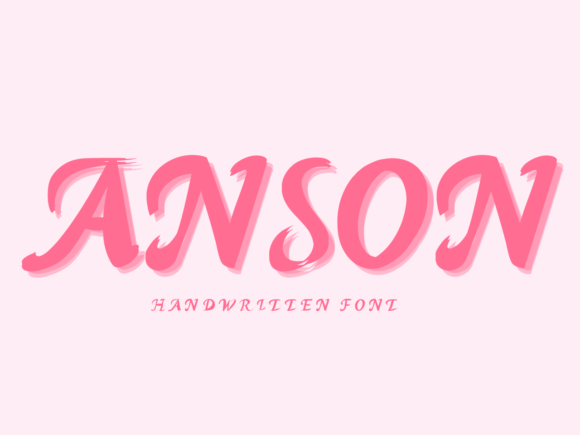
There’s something undeniably magnetic about a font that feels human. In a world saturated with crisp, digital precision, a touch of warmth and personality can make a design stop a scrolling thumb or invite a reader to linger. Anson is that kind of typeface—a sweet and friendly handwritten font whose natural, slightly irregular strokes carry the charm of a personal note. It’s not trying to be perfect; it’s trying to be genuine. This unique character is what makes it incredibly fitting for a vast ocean of design projects, where the goal is to connect rather than just communicate.
The Visual Heart of Anson: More Than Just Loopy Letters
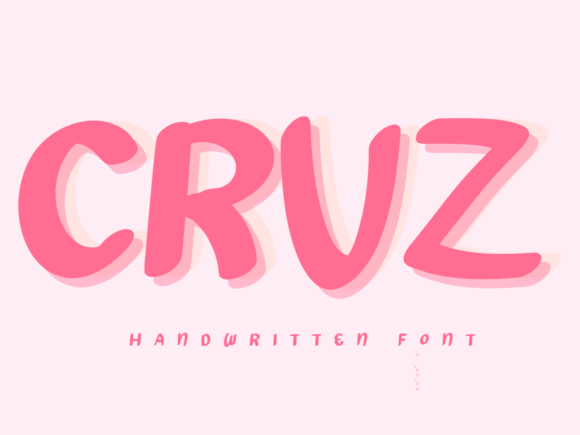
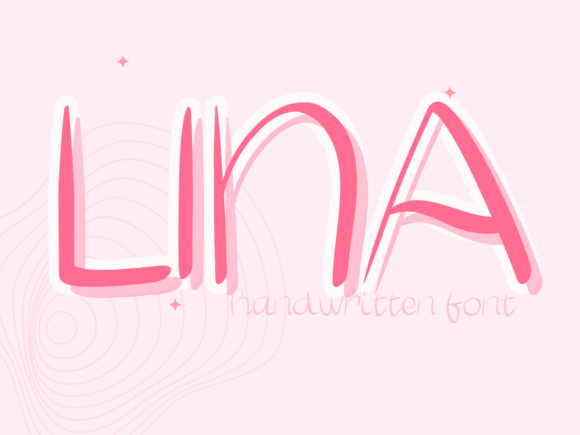
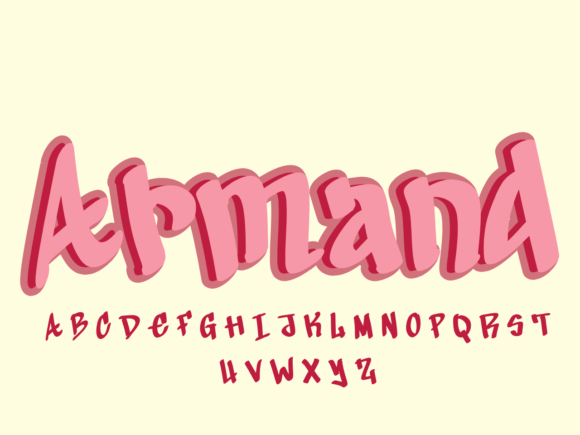
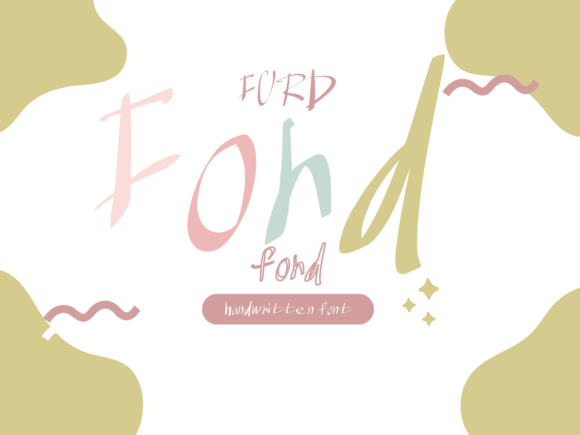
At first glance, Anson presents as a classic script font or handwritten font, but its design intelligence lies in its balance. The letterforms have a consistent baseline and x-height, which provides a crucial foundation of readability often missing in more erratic display scripts. The connections between letters feel organic, not forced, mimicking the natural flow of a pen on paper. This gives it a modern, approachable feel that avoids looking like a child’s writing or a formal calligraphy piece. It exists in a sweet spot: casual enough to feel personal, yet structured enough to be versatile. The subtle variations in stroke width add depth and texture, making it a creative font that feels alive on the page or screen.
This visual personality makes Anson a powerful tool for brand identity. A brand built around artisanal goods, boutique services, personal coaching, or creative education can use Anson to instantly convey values of authenticity, care, and approachability. It’s a font that doesn’t shout; it speaks directly to the viewer, building an immediate, subconscious rapport.
Practical Applications: Where Anson Truly Shines
The versatility of a well-designed handwritten font like Anson is its greatest asset. It seamlessly transitions across mediums, adding a layer of human touch wherever it’s applied. Here’s how you can put it to work in real-world projects:
- Branding & Logo Design: Use Anson as the primary logotype for a brand name that needs to feel personal and service-oriented. It’s perfect for a coffee shop logo, a freelance designer’s mark, or the masthead of a lifestyle blog. It can also serve as a secondary font in a font pairing with a clean sans serif font for body text, creating a dynamic and friendly hierarchy.
- Packaging & Merchandise: On product labels, gift tags, or packaging design for handmade soaps, candles, or gourmet foods, Anson adds a crafted, boutique feel. It’s equally effective on merchandise like tote bags, mugs, and t-shirts, where a casual, relatable message is key.
- Digital & Print Marketing: For social media graphics, Anson can be used for quotes, testimonials, or call-to-action overlays that need to feel conversational. In print materials like flyers, brochures, or event posters, it draws attention to key headlines or promotional text without feeling overly rigid. It’s a standout choice for invitations—from wedding suites to workshop announcements—setting a welcoming tone from the start.
- Editorial & Web Design: In editorial design, Anson works beautifully for pull quotes, chapter titles in a cookbook, or author names on a magazine cover. For web design, it can be used strategically for large hero text, button labels, or site headers to inject personality, but careful attention must be paid to readability at smaller sizes and on various screen resolutions.
- Digital Products & Content Creation: Creators selling digital products like PDF guides, worksheets, or social media templates can use Anson to give their assets a cohesive, professional, and friendly look. For bloggers and content creators, it can stylize blog post titles or newsletter headers, enhancing visual consistency and audience engagement.
Integrating Anson into Your Design Workflow: Practical Advice
Adopting a new font is more than just liking how it looks; it’s about making it work for your specific goals. Here’s a practical guide to using Anson effectively.
Test Your Pairings Thoughtfully. A handwritten font like Anson is rarely meant to carry entire paragraphs of text. Its strength is in headlines, logos, and short, impactful statements. Pair it with a highly legible serif font for a traditional, trustworthy feel, or with a geometric sans serif font for a clean, modern contrast. Always test pairings at the actual size they’ll be used to ensure harmony and clarity.
Consider the Context and Scale. While Anson is more legible than many script fonts, readability is context-dependent. It will work beautifully on a large poster headline but may become challenging to read in a 10-point caption. Always view your design at its intended size and from the likely viewing distance. For web design, test it across devices; a font that looks perfect on a desktop monitor might blur on a mobile screen.
Explore the Included Styles. A quality premium font like Anson often comes with more than just the basic letters. Check for OpenType features—these might include alternate characters, stylistic sets, or ligatures that give you even more creative control. Swapping out a standard ‘g’ or ‘a’ for an alternate can make your logo or headline feel truly unique and custom-designed.
Understand the Licensing. If you’re using Anson for a commercial project—a client’s logo, a product for sale, or marketing materials for your business—ensure you have the correct commercial license. Most reputable font foundries offer clear licensing tiers. Respecting the font creator’s work not only keeps you legally sound but supports the ecosystem that produces these valuable design assets.
The Final Word: A Font for Making Connections
Ultimately, Anson is more than a collection of glyphs; it’s a tool for building visual relationships. It helps small businesses and entrepreneurs project approachability, allows designers to infuse warmth into digital spaces, and gives crafters a professional yet personal voice. In a landscape of sterile, corporate typography, it offers a breath of fresh air—a reminder that design, at its best, is a conversation. By understanding its strengths and applying it with intention, you can harness its friendly, natural style to make your projects not just seen, but felt. The only limit, as with any great tool, is your imagination.