Lina: The Handwritten Font That Feels Like a Conversation
There's a particular quality to a handwritten note that digital text often struggles to replicate—a sense of warmth, personality, and immediate human connection. In a landscape saturated with crisp, geometric sans-serifs and authoritative serifs, a font like Lina arrives as a breath of fresh air. It’s more than just a collection of letters; it’s a voice. This sweet and friendly handwritten font carries a natural, unique style that feels both personal and polished, making it a surprisingly versatile tool for a vast array of creative projects. The only real limit is how far you’re willing to push your own imagination.
Understanding the Visual Personality of a Modern Handwritten Typeface
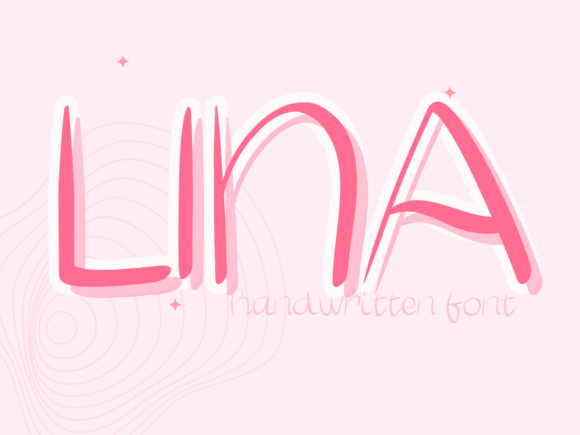
What sets a premium font like Lina apart from a standard script font? It’s in the details. The strokes have a gentle, organic flow, mimicking the slight imperfections and variable pressure of a real pen on paper. This isn’t a rigid, calligraphic script; it’s a casual, approachable display font. The letterforms are designed to be highly legible, even at smaller sizes, which is a common pitfall for many decorative typefaces. The visual rhythm is relaxed yet confident, making it ideal for projects that need to convey authenticity without sacrificing clarity. Think of it as the typographic equivalent of a friendly smile—it’s inviting and puts the viewer at ease.
This character makes it a standout choice for brand identity work. A small business owner creating a logo for a boutique bakery, a handmade jewelry line, or a local coffee shop will find that Lina instantly communicates craft, care, and a personal touch. It tells a story before a single word of copy is read, helping to build immediate brand recognition through a distinct visual language.
From Screen to Shelf: Practical Applications Across Design Projects
The true value of a creative font is measured in its utility. How does it perform across the messy, varied reality of design work? Here’s where Lina’s personality translates into tangible results.
- Digital Presence & Social Media: On a website or blog, Lina can be used for headlines, pull quotes, or featured section titles to break up the monotony of body text and guide the reader’s eye. For social media graphics, it’s a powerhouse. Imagine Instagram Stories or Pinterest pins where the text itself feels like a personal message from the creator. It boosts engagement by making promotional content feel less like an ad and more like a recommendation from a friend.
- Packaging & Product Design: On physical goods, typography is tactile. Lina’s handwritten style shines on packaging design—think product labels, hang tags, and thank-you cards. It adds a layer of perceived value and craftsmanship. A jar of artisanal jam or a box of organic tea featuring Lina on its label immediately feels more premium and thoughtfully curated.
- Print & Editorial Layouts: In editorial design, such as magazines, lookbooks, or menu design, Lina can be used for subheadings, captions, or feature quotes to inject personality. It provides a beautiful contrast when paired with a clean sans serif font for body copy, creating a dynamic and visually interesting layout that holds a reader’s attention.
- Marketing & Merchandise: For marketing assets like email headers, webinar titles, or digital product covers, Lina helps maintain a consistent, friendly brand voice. It’s also perfect for merchandise—think t-shirt designs, tote bags, or mugs—where the text needs to be both readable and stylized.
Beyond Aesthetics: How the Right Font Strengthens Your Brand
Choosing a typeface isn’t merely a decorative decision; it’s a strategic one. The fonts you select become core components of your visual consistency. When you use Lina across your logo, website, social media, and packaging, you create a cohesive brand identity that is instantly recognizable. This repetition builds trust and professionalism, even for a solo entrepreneur or a small creative team.
Readability is another critical, often overlooked, benefit. A beautifully ornate font is useless if your audience can’t quickly read your sale announcement or your product’s key benefit. Lina strikes that crucial balance. Its legibility ensures your message is communicated clearly, whether it’s on a billboard or a business card. This professional presentation removes a subtle barrier between you and your audience, allowing your actual content—the words and ideas—to take center stage.
A Practical Guide to Using Handwritten Fonts Effectively
Integrating a font like Lina into your design toolkit is exciting, but a few practical considerations will ensure you get the most out of it.
- Test Font Pairings Relentlessly: A handwritten font rarely works well for long paragraphs of body text. Its strength is in display. Pair Lina with a highly readable serif or sans serif font for body copy. For example, Lina for headings paired with a font like Open Sans or Lora for body text creates a beautiful hierarchy that is both engaging and easy to read.
- Consider the Context and Scale: Always view your font choices in the context of the final medium. Test how Lina looks on a mobile screen versus a printed poster. Ensure the size and color contrast maintain its legibility. What works on a large-scale banner may need adjustment for a small social media icon.
- Review All Included Styles: A robust premium font often comes with more than just the basic letters. Check for alternates, ligatures, or stylistic sets. These features allow you to customize the look further, swapping out certain letters for different flourishes to avoid repetition and add a truly unique touch to your logos or headlines.
- Understand Commercial Licensing: This is non-negotiable for professional work. Before using any font in a commercial project—whether it’s for a client, for sale on merchandise, or for your own business—verify the licensing terms. Most reputable font licenses cover a wide range of uses, but it’s your responsibility to ensure compliance. This protects you legally and supports the type designers who create these valuable assets.
Ultimately, a font like Lina is a bridge. It bridges the gap between the digital and the personal, between a brand and its audience. It’s a design asset that does more than just display words; it imparts feeling, establishes tone, and builds a visual world that people want to engage with. In your next project, whether it’s a full brand overhaul or a single social media graphic, consider what a touch of friendly, handwritten authenticity could do. You might just find that the right typeface is the secret ingredient that makes your work truly resonate.